A 3-Week Intensive Course from Octopi Poker
The 15 highest-leverage topics in tournament poker, in 3 weeks. GTO foundations first, then node-locking and recommended exploitations frameworks you can apply at the table. Taught by one of the most respected high-stakes tournament players and coaches in the game.
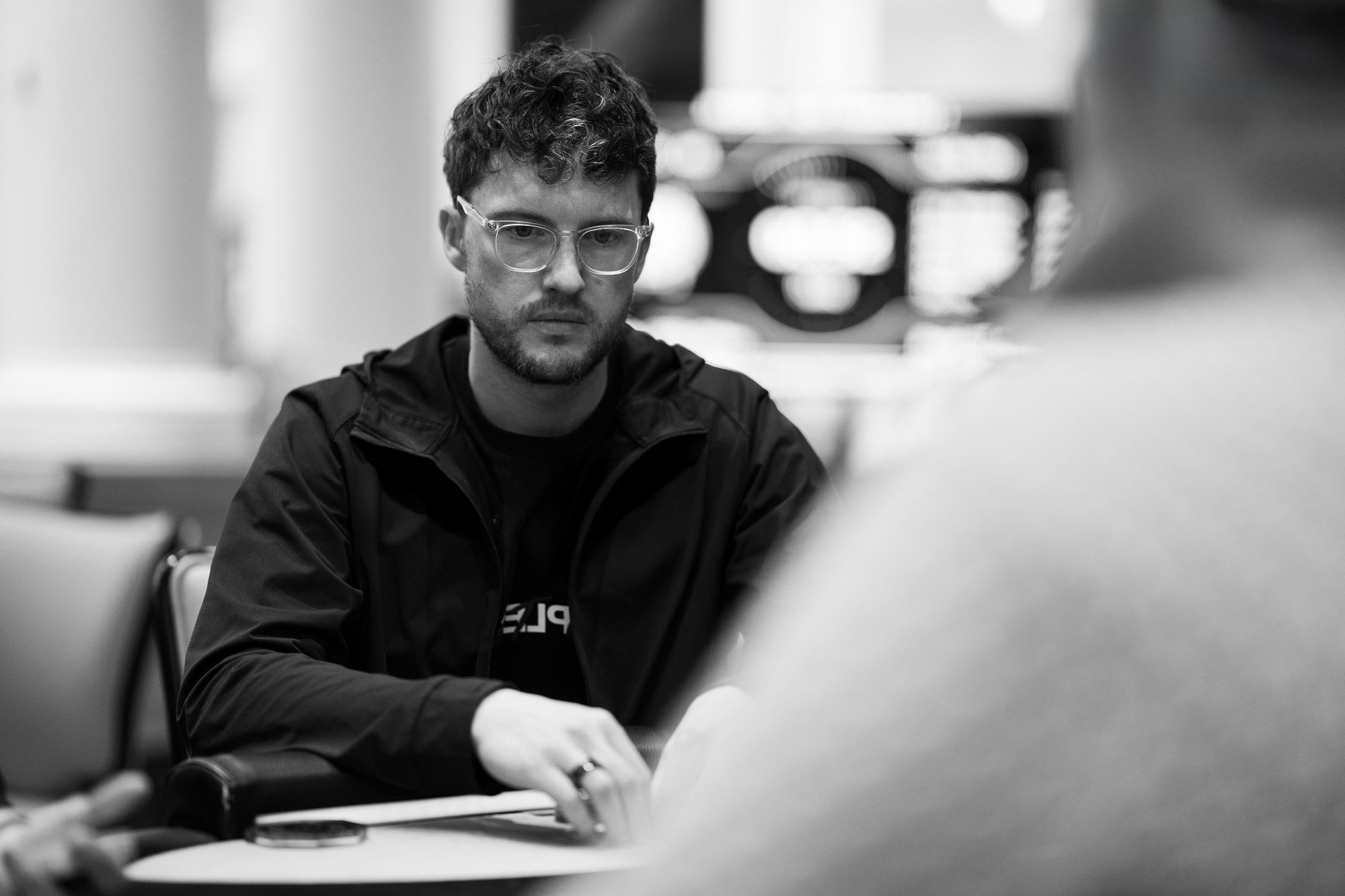
If I had 15 sessions to improvea tournament player’s game as fast as possible, this is exactly what I would teach.— Thomas Boivin
Most tournament players know they should study. Very few do it in a way that actually moves the needle. The options are either broad content libraries with no clear path, or deep theory that never translates to a live table.
If you had limited time with a high-stakes professional, what would they teach you?
Thomas built this course around the 15 topics he thinks matter most — each one taught at equilibrium first, then node-locked against real player tendencies to find the recommended exploitations. Nothing theoretical for the sake of it. Every session is here because it makes a difference at live tables.
Three weeks of structured study, built around the spots where the biggest edges exist.
Course runs May 4 – June 1. Registration opens April 20.
Beyond the Solver
The complete 15-session curriculum with Octopi Professional access for the duration of the course.
Beyond the Solver + VIP
Everything in the core course, plus direct access to Thomas Boivin during the program.
All sales are final. Contact us with any questions before purchasing.
Each of the 15 sessions covers one topic in approximately 90 minutes, across several focused videos. Every session starts with correct play at equilibrium — what the solver says and why — then moves into node-locking and real exploitation: how actual populations deviate, and exactly how to punish it.
Thomas Boivin designed the curriculum and teaches the majority of sessions. Brian Hastings and Matt Hunt contribute lessons on specific topics in their areas of expertise.
Video quizzes and Octopi drills are integrated throughout — this is active study, not passive watching. A leaderboard runs across the full program with prizes awarded at the close.
Week 1
May 4 – 10
Sessions 1–5. Preflop foundations and early postflop play.
Week 2
May 11 – 17
Sessions 6–10. SRP depth, 3-bet pots, and blind vs. blind postflop.
Week 3
May 18 – 24
Sessions 11–15. Turn play, multiway, ICM postflop, and WSOP prep.
Catch-up
May 25 – Jun 1
Complete remaining material. Leaderboard closes. Closing event.
Each session covers one topic at equilibrium, then through node-locking and recommended exploitations. ~90 minutes each, across several focused videos with integrated quizzes and drills.
Week 1 — Preflop and Early Postflop
Thomas walks through the course structure, what to expect from each week, and how to get the most out of the curriculum. Sets the framework for everything that follows.
RFI construction from every position and how to respond when facing opens. GTO baselines first, then recommended exploitations for the tendencies you’ll actually see in live fields — who folds too much, who calls too wide, and how to size accordingly.
What to do when you get 3-bet and see a flop. Navigating postflop play as the caller in 3-bet pots — when to continue, when to fold, and how to exploit opponents who c-bet too frequently or give up too easily on later streets.
How ICM pressure reshapes preflop strategy at final tables and on the bubble. Risk premium adjustments, when to tighten, when to apply pressure, and where most players miscalculate the value of survival vs. chip accumulation.
Postflop play in single-raised pots when early and middle positions open against the big blind. Betting and checking frequencies, sizing across board textures, and the population-level deviations that create the most profitable adjustments.
The most common postflop dynamic in tournament poker. How button vs. big blind play differs from earlier positions — simplified textures, GTO c-bet baselines, and where to find the biggest exploitative edges in live fields.
Week 2 — Postflop Depth
SRP play from both sides of the small blind — as the opener and as the defender. How the small blind’s positional disadvantage changes correct strategy, and where population tendencies create the largest gaps to exploit.
Postflop play in single-raised pots between non-blind positions. How strategy shifts when both players have positional awareness, and the equilibrium and exploitation frameworks for these less-studied but high-frequency spots.
Navigating 3-bet pots between non-blind positions. Construction, sizing, and postflop play when stacks are deeper and positional dynamics are cleaner — plus the exploitative adjustments for players who fold too much or call too wide to 3-bets.
3-bet pot dynamics when the small blind is the aggressor against an in-position caller. How being out of position as the 3-bettor changes postflop strategy, and where the biggest population mistakes create exploitable edges.
Postflop play in blind vs. blind pots — one of the most frequently misplayed dynamics in tournament poker. Postflop lines in and out of position, and how to exploit the specific tendencies players show when the action folds to the blinds.
Week 3 — Advanced and Tournament Edge
Multi-street aggression: when to fire second and third barrels, how to construct bluffing ranges on later streets, and the population-level tendencies around turn and river fold frequencies that make this one of the most profitable areas to study.
How strategy shifts in 3+ player pots — tighter ranges, less bluffing, changed sizing. Advanced heuristics for multiway scenarios and how to exploit the biggest population mistakes without overextending.
How ICM pressure changes postflop play in single-raised pots when in position against the big blind. The adjustments to betting frequency, sizing, and aggression when pay jumps and survival equity reshape every decision.
Preflop strategy when the action folds to the blinds. Open-raising, 3-betting, and defending ranges in BvB spots — where most players leave the most equity on the table and how to exploit their tendencies preflop.
Everything outside the felt that affects your results — bankroll management, game selection, mental game, travel logistics, and how to prepare for a major live series. The practical side of turning study into sustained tournament success.
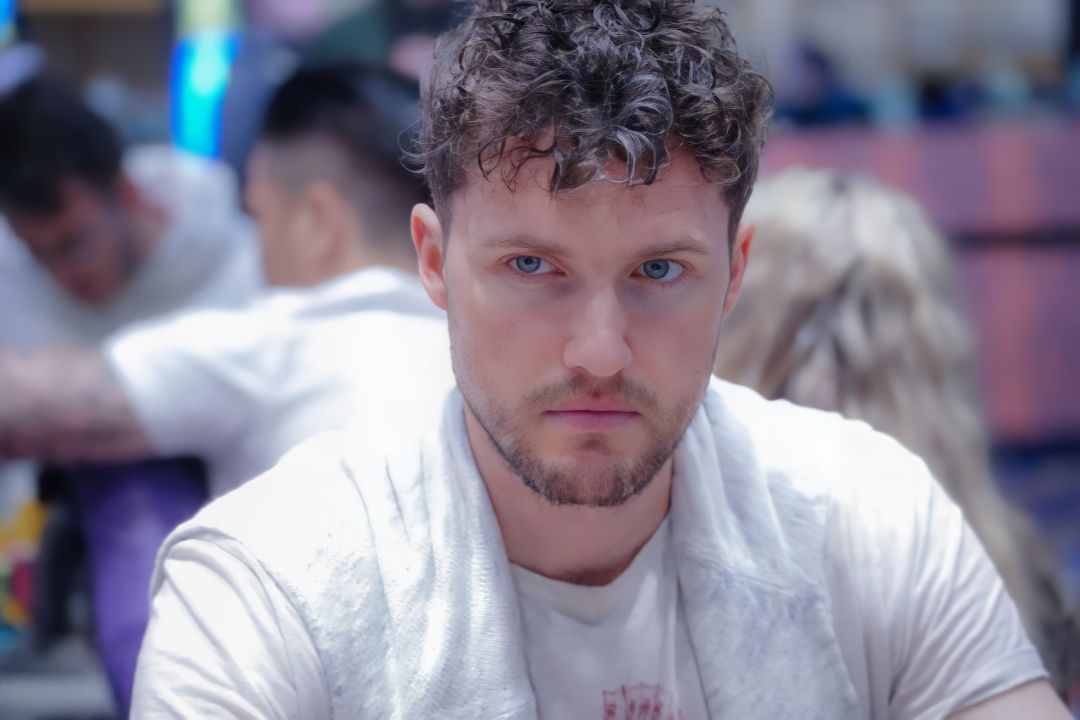
Nearly $17 million in live tournament earnings and #1 on the Belgium All-Time Money List. Thomas has eight WSOP final tables, a $2.29M finish at WSOP Paradise, and back-to-back seven-figure scores at the 2025 WSOP in Las Vegas. He designed this course from the ground up — every topic, every teaching sequence, every exploitation framework.
Contributing Coaches
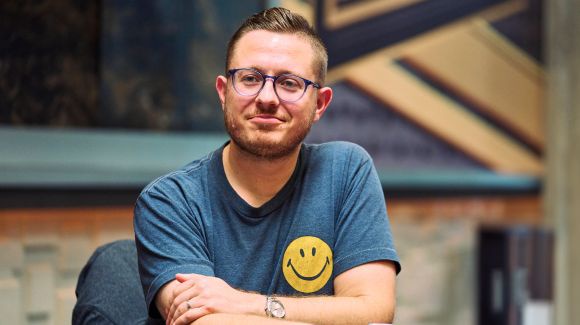
Six bracelets across multiple disciplines — only the 17th player in history to reach that number. Brian’s résumé spans heads-up, stud, mixed games, and no-limit hold’em at the highest stakes. He contributes sessions on the specific topics where his experience runs deepest.
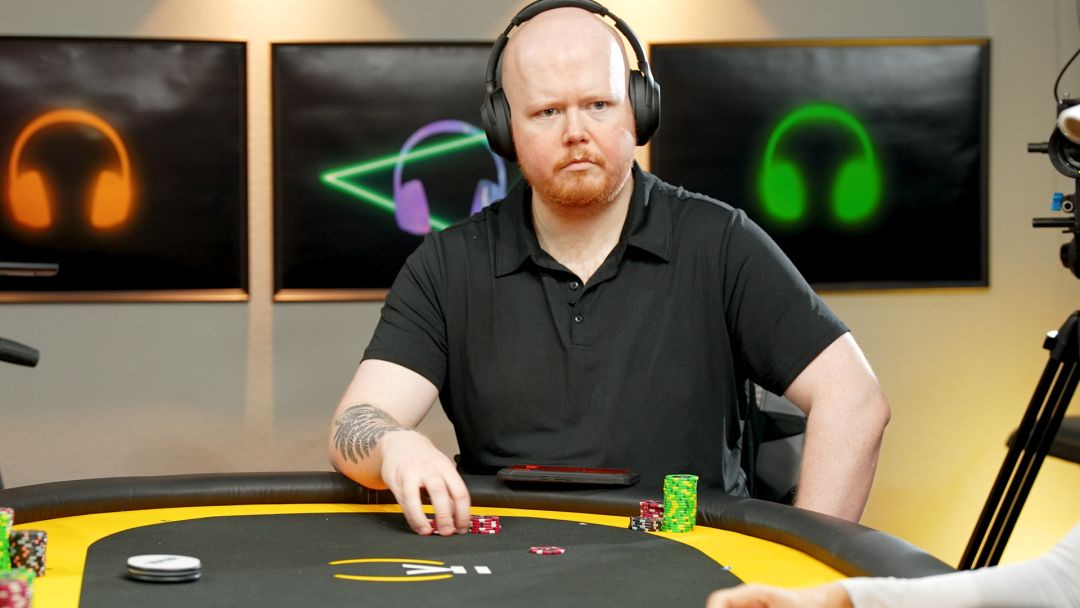
Four WSOP final tables and more than 5,000 hours of one-on-one coaching since 2013. Matt’s students have accumulated over $5 million in live earnings since 2023 alone. He contributes sessions drawn from years of hands-on work with tournament players at every level.
15 topics. 3 weeks. The edge between studying and winning.
May 4 – June 1 · Registration opens April 20
Enroll Now — $999